In the world of earthquake monitoring, one crucial component plays a vital role in ensuring the safety of communities and infrastructure: seismic wire. This unassuming yet powerful tool forms the backbone of earthquake detection systems, providing crucial data that can save lives and prevent devastation. From its composition to its installation and maintenance, seismic wire is an essential part of the network that helps scientists and first responders rapidly respond to seismic events.
seismic wire, also known as strain wire or seismometer cable, is a specially designed wire that is sensitive to even the slightest movements of the Earth’s crust. It is typically made of high-quality materials that can detect changes in tension and compression, allowing it to accurately measure the magnitude and direction of seismic activity. These wires are usually installed underground or on the surface in areas prone to earthquakes, such as along fault lines or near active volcanoes.
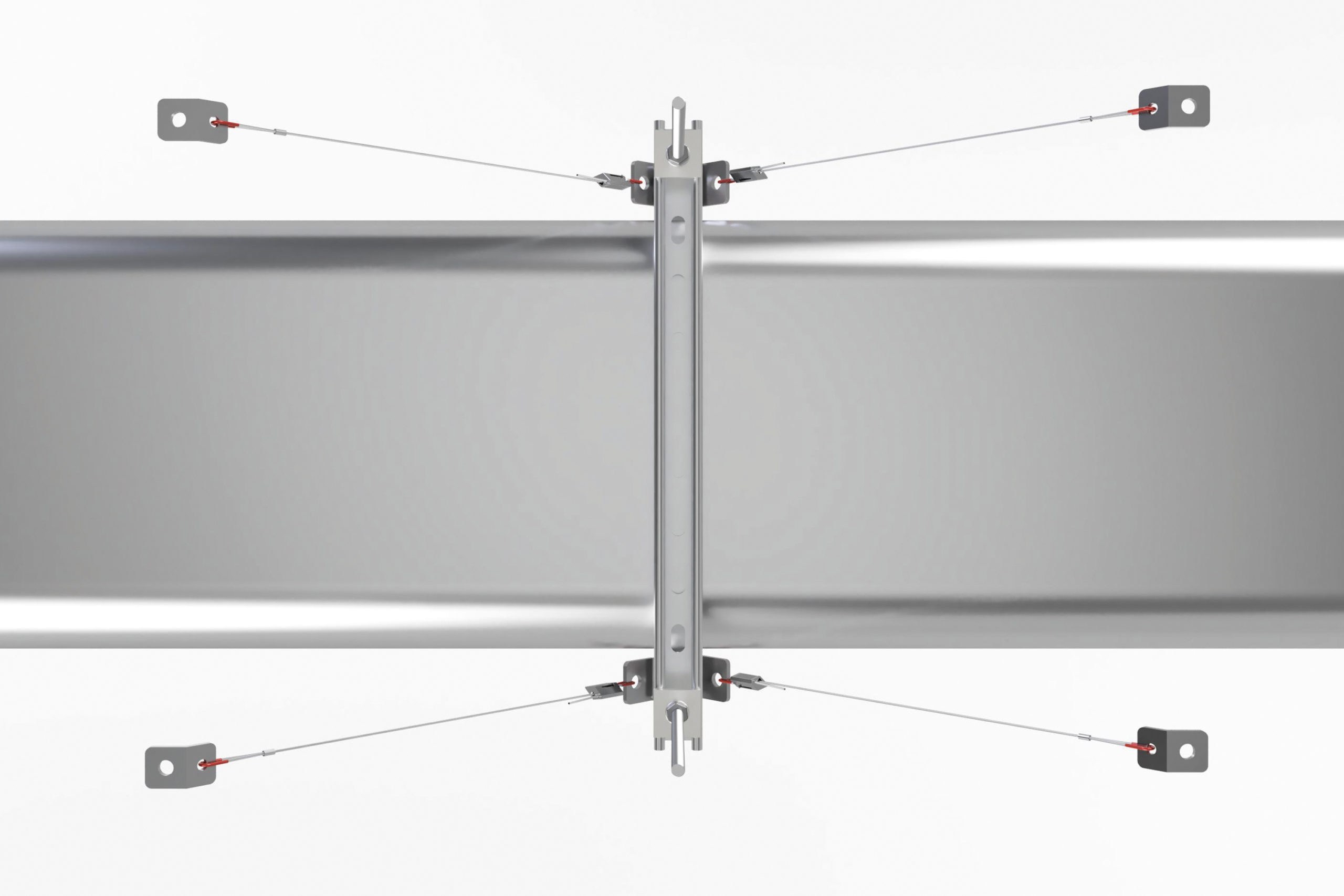
One of the key features of seismic wire is its ability to convert mechanical strain into electrical signals that can be transmitted to monitoring stations for analysis. This technology allows scientists and seismologists to track the movement of tectonic plates and anticipate potential earthquakes before they occur. By measuring the stress and strain on the wire, researchers can predict the likelihood of seismic events and issue warnings to populations at risk.
The installation of seismic wire is a meticulous process that requires precision and expertise. The wire must be carefully laid out in a grid pattern to cover a wide area and capture as much data as possible. In some cases, multiple wires are used to create a network of sensors that can detect seismic activity from various directions. These wires are then connected to monitoring stations equipped with sophisticated equipment that can analyze and interpret the data in real-time.
Maintaining seismic wire is also crucial to ensuring the accuracy and reliability of earthquake monitoring systems. Over time, the wire may be subjected to wear and tear from environmental factors such as temperature changes, moisture, and physical disturbances. Regular inspections and repairs are necessary to keep the wire in optimal condition and prevent false readings that could lead to inaccurate assessments of seismic risk.
One of the challenges of using seismic wire is its sensitivity to external interference, such as electromagnetic signals or vibrations from human activity. To minimize these effects, scientists and engineers have developed advanced shielding techniques and filters that can isolate the wire from unwanted noise. Additionally, seismic wire is often buried underground or encased in protective materials to shield it from external disturbances and ensure the accuracy of its measurements.
Despite these challenges, seismic wire remains a critical tool in earthquake monitoring and early warning systems. Its ability to detect subtle movements in the Earth’s crust has revolutionized our understanding of seismic activity and helped us better prepare for and respond to earthquakes. By investing in the latest technologies and techniques for installing and maintaining seismic wire, we can continue to improve our ability to predict and mitigate the impact of seismic events on our communities.
In conclusion, seismic wire is a powerful and indispensable tool in earthquake monitoring that plays a crucial role in safeguarding lives and property. Its sensitivity to seismic activity and ability to transmit data in real-time make it an essential component of the network that helps scientists and first responders track and respond to seismic events. By understanding the importance of seismic wire and investing in its installation and maintenance, we can enhance our ability to detect and mitigate the impact of earthquakes on our world.